What's New on WDCB... with Paul Abella
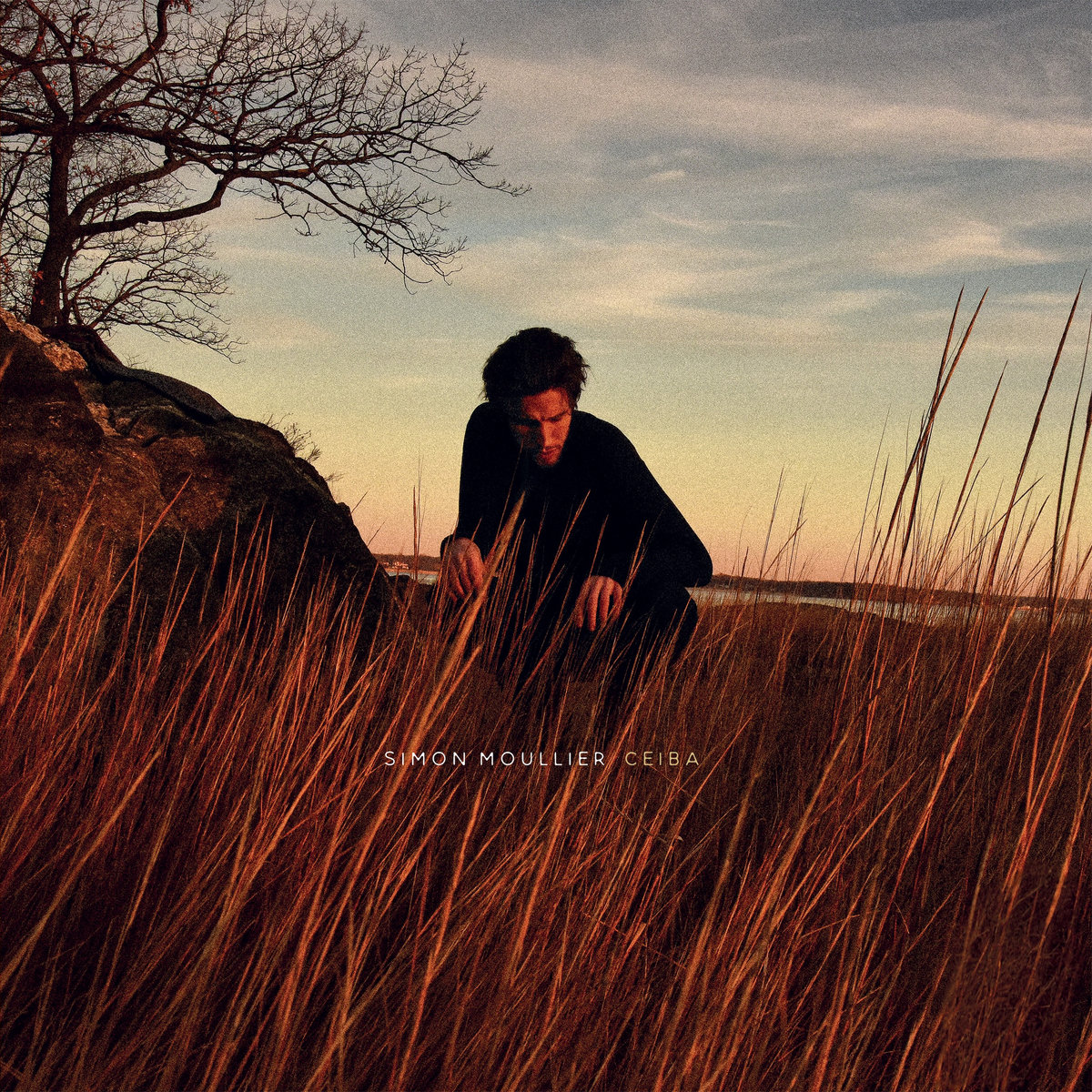
Simon Moullier – Ceiba (self-produced)
If you’ve heard vibraphonist Simon Moullier’s previous albums, you’ve likely heard him leading a trio. Bare bones and hard-swinging, it was immediately evident that Moullier was someone that you should be keeping an eye and an ear on. On his latest album, Ceiba, he’s included a pianist, and it has changed his sound entirely. He’s still fantastic beyond his years, mind you, but it’s clear that adding a piano to the mix, with the chords and colors that another chordal instrument can bring to the table, has changed the way that Moullier is thinking about music. At the very least, it changed the way he’s thinking about music on this album. The thing is, that’s a great thing. Those trio albums where he tears up standards and Jazz classics with clean, slick, lightning fast runs are something to behold. But, on Ceiba, we’re getting something different. African and Afro-Cuban polyrhythms have made their way into the mix. Moullier’s compositional style is more open than that of the standards he was playing on previous efforts. All of this change might have something to do with his choice in sidemen; Lex Korten on piano, Rick Rosato on bass and Jongkuk Kim on drums, or it could be part of Simon Moullier’s evolution. Or it could be both. No matter, however he’s gotten to this point, I’m glad he’s arrived, as he sounds great throughout. Man…all of this writing and I haven’t even mentioned a song title yet. THAT’S how good Simon Moullier is. If you’re not hip to him yet, you’re going to be in for quite the treat. If you’re already on the bus, then you know what I’m talking about, and you’re probably looking forward to hearing Ceiba pretty soon. As well you should be.

Albert Lam – Be You (self-produced)
Fun story here. I actually know pianist and composer Albert Lam. We were students together at the Bloom School of Jazz 25 or 26 years ago. Since then, he’s moved to Boston, and, as you’re about to see, made some pretty cool friends along the way. He assembled them all at the legendary Van Gelder studio in New Jersey and recorded what would become the album Be You. Those friends I was mentioning? Steve Nelson on vibes, Steve Davis on trombone, Anthony Ware on the saxophones, Josh Bruneau on trumpet, Essiet Essiet on bass, Winard Harper on drums, and on a few songs, Steve Wilson joins in on alto flute, and Chembo Corniel gets in on the fun with his congas. Things get off to a great start with the swinging “The Urgency is Now.” Lam shows off his love of the Spanish Tinge with “Saffron Blue” and “Be You,” and the funkiness of “I Call the Shots” is a highlight as well. Be You is a fun listen that stretches throughout a number of different Jazz styles, and shows that Lam is adept at all of them.
Civil Disobedience – Blue Note in the Progressive 60’s (Blue Frog)
Bassist David Ambrosio is the spark behind the band Civil Disobedience, but this whole group is one fiery all-star ensemble, dedicated to some of the deep music made on Blue Note Records in the late 1960’s. Ingrid Jensen is the trumpet player, Donny McCaslin is on the tenor saxophone, Bruce Barth is the pianist, and Victor Lewis is behind the drums. There’s an interesting quirk to Blue Note in the Progressive 60’s, insofar as all five songs are directly connected to Bobby Hutcherson, with three of them originally appearing on the same album (Patterns). Not that I mind, the originals are phenomenal, and these reworkings are stellar as well. The album starts off with “For Duke P.” and it’s a great starting point. It sounds like mid-60’s Blue Note. Absolutely hip, swinging hard bop that sounds and feels good. “A Time to Go” is the ballad on the album, and it is a beautiful way to spend five minutes. It’s telling that the two Joe Chambers songs here, “Irina” and “Ankara” are the most rhythmically intricate. The high note of the album, for me anyway, is “Poor People’s March,” a really slick waltz-time groover, and its melody is played beautifully by Jensen and McCaslin. Blue Note in the Progressive 60’s makes me hope that Ambrosio has plans for another 10 of these albums, because there’s certainly a lot more ground to cover in that vein. For now, though, one album will have to suffice. Thankfully, it’s a mighty good one.


